About Us
Wholesale
一清園 / ISSEI-EN
(ee-say-en)
Our name translates as "one pure garden," which reflects our origin and what we source.
We distribute high-grade ceremonial matcha and teas sourced exclusively from Japan, partnering only with producers whose standards favor control, consistency, and perfection over scale.
Our role is not to embellish, but to present the work as it is.
Season, region, and cultivar are allowed to speak without interference.
What began as a recognition that ceremonial-grade matcha was being misrepresented in the American market became a structured effort to change how it reaches cafés and wholesale buyers. Every product we carry was sought out, evaluated against our own standards, and chosen deliberately. The sourcing is direct. The category is narrow by design.
General Inquires:
宇治 / Uji
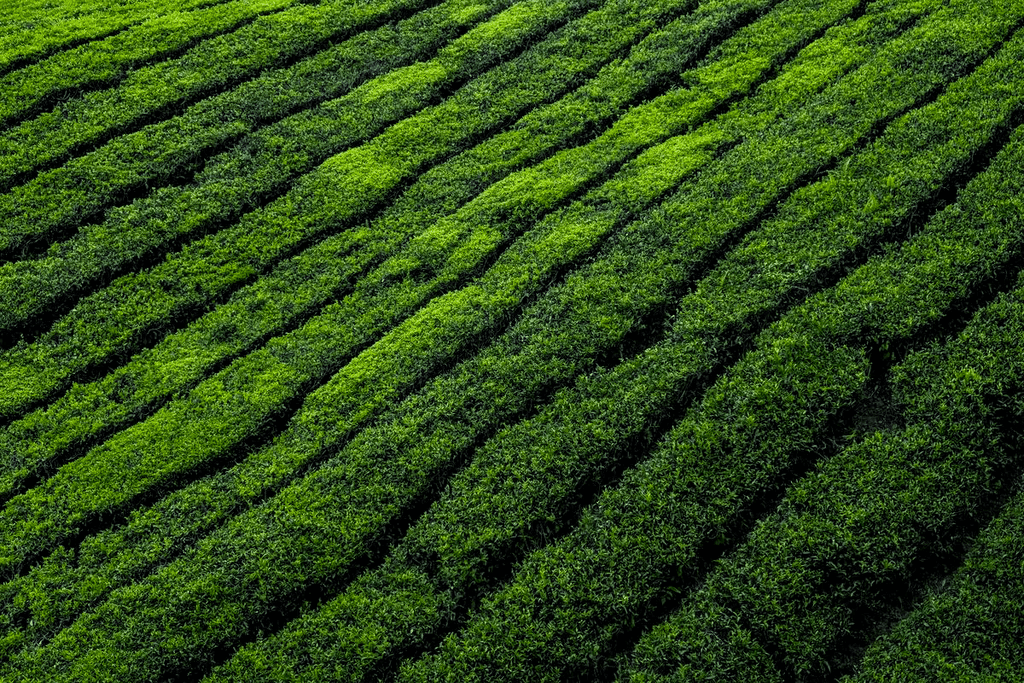
Uji is Japan's birthplace of cultivated tea. Since the 13th century, fields here have set the standard for what matcha can be. The Uji River cuts through hills that hold moisture and moderate temperature, creating conditions no other region replicates.Farmers here know tencha cultivation better than anywhere else. The shade structures are precise, the timing exacting. Uji matcha has deep umami, clean vegetal sweetness, and a finish that lingers without bitterness.
京都 / Kyoto
Kyoto's tea culture runs centuries deep. Beyond Uji, the wider Kyoto region produces tencha across microclimates shaped by mountains, rivers, and elevation. Farmers work plots their families have tended for generations, refining techniques passed down through lineage. The leaves here develop complexity; layered umami, restrained sweetness, and a clarity that comes from soil composition and careful shading. Kyoto matcha carries weight without heaviness, structure without harshness.
静岡 / Shizuoka
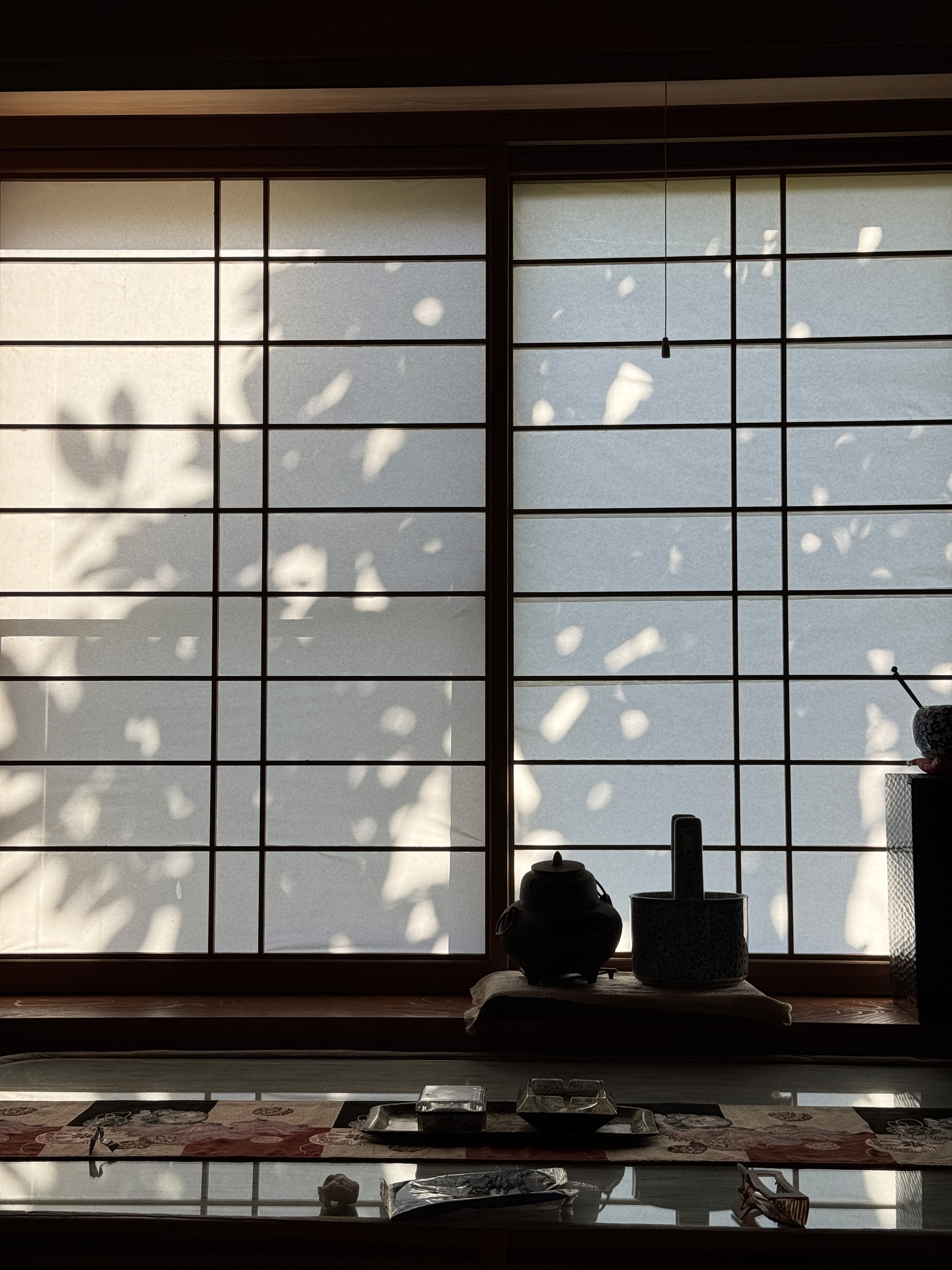
Shizuoka produces more tea than any other prefecture in Japan. The land rises from coastal plains to mountain slopes, each elevation offering different exposure, drainage, and sun. This breadth creates diversity — farms here don't chase a single profile. Tencha from Shizuoka tends toward brightness and clean vegetal character. The flavor is direct, the body lighter than Kyoto or Uji, with grassy notes and less pronounced umami.
加賀 / Kaga
Kaga sits in Ishikawa Prefecture, where tea cultivation dates back over four centuries. The region is known for Kaga-boucha — stem tea roasted to bring out amber color and toasted grain sweetness. The climate is cooler, the growing season shorter. Leaves develop slower, concentrating flavor. Kaga matcha has subtle complexity — mild umami, gentle sweetness, a softer profile shaped by northern terroir.
About Us
Wholesale
一清園 / ISSEI-EN
(ee-say-en)
Our name translates as "one pure garden," which reflects our origin and what we source.
We distribute high-grade ceremonial matcha and teas sourced exclusively from Japan, partnering only with producers whose standards favor control, consistency, and perfection over scale.
Our role is not to embellish, but to present the work as it is.
Season, region, and cultivar are allowed to speak without interference.
What began as a recognition that ceremonial-grade matcha was being misrepresented in the American market became a structured effort to change how it reaches cafés and wholesale buyers. Every product we carry was sought out, evaluated against our own standards, and chosen deliberately. The sourcing is direct. The category is narrow by design.
General Inquires:
宇治 / Uji
Uji is Japan's birthplace of cultivated tea. Since the 13th century, fields here have set the standard for what matcha can be. The Uji River cuts through hills that hold moisture and moderate temperature, creating conditions no other region replicates.Farmers here know tencha cultivation better than anywhere else. The shade structures are precise, the timing exacting. Uji matcha has deep umami, clean vegetal sweetness, and a finish that lingers without bitterness.
京都 / Kyoto
Kyoto's tea culture runs centuries deep. Beyond Uji, the wider Kyoto region produces tencha across microclimates shaped by mountains, rivers, and elevation. Farmers work plots their families have tended for generations, refining techniques passed down through lineage. The leaves here develop complexity; layered umami, restrained sweetness, and a clarity that comes from soil composition and careful shading. Kyoto matcha carries weight without heaviness, structure without harshness.
静岡 / Shizuoka
Shizuoka produces more tea than any other prefecture in Japan. The land rises from coastal plains to mountain slopes, each elevation offering different exposure, drainage, and sun. This breadth creates diversity — farms here don't chase a single profile. Tencha from Shizuoka tends toward brightness and clean vegetal character. The flavor is direct, the body lighter than Kyoto or Uji, with grassy notes and less pronounced umami.
加賀 / Kaga
Kaga sits in Ishikawa Prefecture, where tea cultivation dates back over four centuries. The region is known for Kaga-boucha — stem tea roasted to bring out amber color and toasted grain sweetness. The climate is cooler, the growing season shorter. Leaves develop slower, concentrating flavor. Kaga matcha has subtle complexity — mild umami, gentle sweetness, a softer profile shaped by northern terroir.
About Us
Wholesale
一清園 / ISSEI-EN
(ee-say-en)
Our name translates as "one pure garden," which reflects our origin and what we source.
We distribute high-grade ceremonial matcha and teas sourced exclusively from Japan, partnering only with producers whose standards favor control, consistency, and perfection over scale.
Our role is not to embellish, but to present the work as it is.
Season, region, and cultivar are allowed to speak without interference.
What began as a recognition that ceremonial-grade matcha was being misrepresented in the American market became a structured effort to change how it reaches cafés and wholesale buyers. Every product we carry was sought out, evaluated against our own standards, and chosen deliberately. The sourcing is direct. The category is narrow by design.
General Inquires:
宇治 / Uji
Uji is Japan's birthplace of cultivated tea. Since the 13th century, fields here have set the standard for what matcha can be. The Uji River cuts through hills that hold moisture and moderate temperature, creating conditions no other region replicates.Farmers here know tencha cultivation better than anywhere else. The shade structures are precise, the timing exacting. Uji matcha has deep umami, clean vegetal sweetness, and a finish that lingers without bitterness.
京都 / Kyoto
Kyoto's tea culture runs centuries deep. Beyond Uji, the wider Kyoto region produces tencha across microclimates shaped by mountains, rivers, and elevation. Farmers work plots their families have tended for generations, refining techniques passed down through lineage. The leaves here develop complexity; layered umami, restrained sweetness, and a clarity that comes from soil composition and careful shading. Kyoto matcha carries weight without heaviness, structure without harshness.
静岡 / Shizuoka
Shizuoka produces more tea than any other prefecture in Japan. The land rises from coastal plains to mountain slopes, each elevation offering different exposure, drainage, and sun. This breadth creates diversity — farms here don't chase a single profile. Tencha from Shizuoka tends toward brightness and clean vegetal character. The flavor is direct, the body lighter than Kyoto or Uji, with grassy notes and less pronounced umami.
加賀 / Kaga
Kaga sits in Ishikawa Prefecture, where tea cultivation dates back over four centuries. The region is known for Kaga-boucha — stem tea roasted to bring out amber color and toasted grain sweetness. The climate is cooler, the growing season shorter. Leaves develop slower, concentrating flavor. Kaga matcha has subtle complexity — mild umami, gentle sweetness, a softer profile shaped by northern terroir.